PO Box 53, Auburn, ME 04212
(207) 284.3579
Region1construction@outlook.com
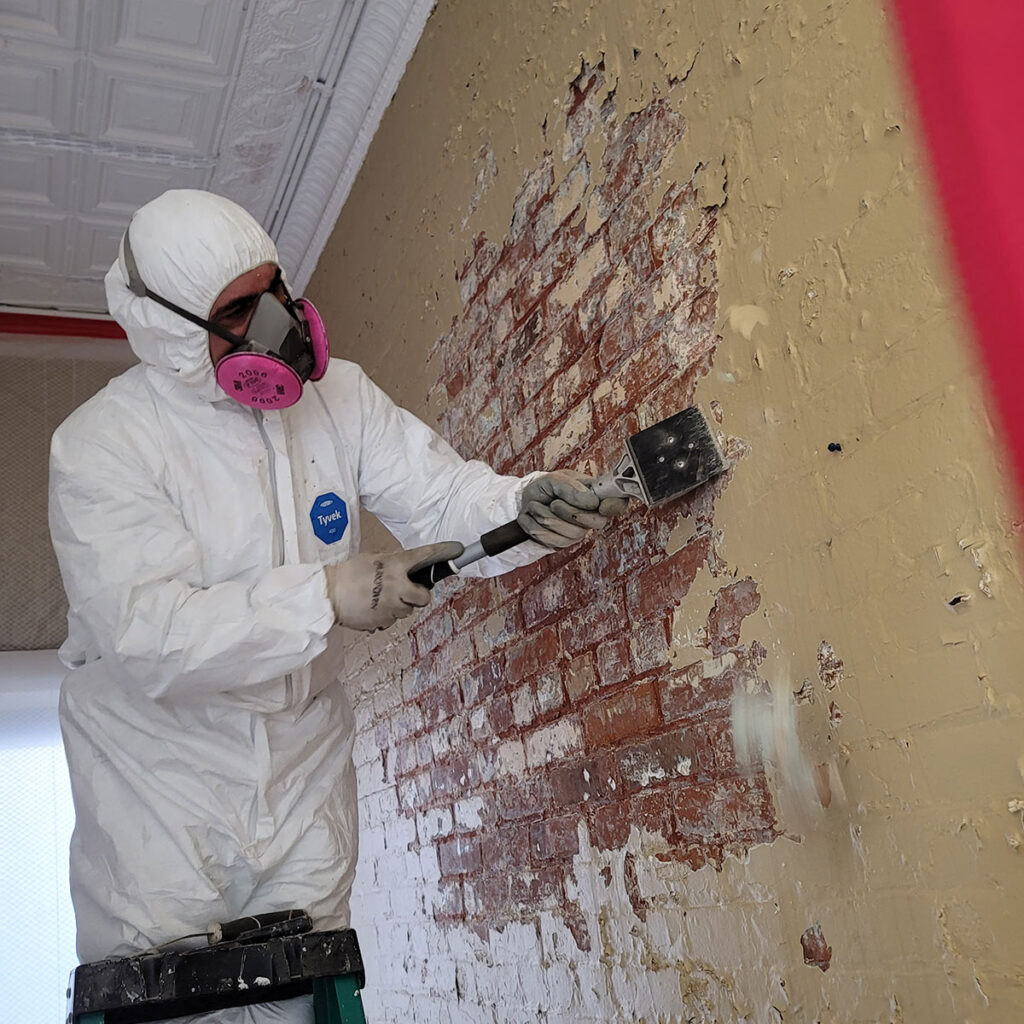
Proper lead abatement must be carried out by trained and certified professionals who follow strict safety guidelines to prevent the spread of lead particles during the process. Regulations often require testing, containment of the work area, and careful disposal of hazardous materials. By addressing lead hazards at their source, lead abatement helps create safer living environments and reduces the risk of long-term health issues such as developmental delays, neurological damage, and other complications associated with lead exposure.
If you have an older home, asbestos is something to take seriously—but not panic over. It was widely used in building materials before the 1980s because of its heat resistance and durability.
Where asbestos is commonly found
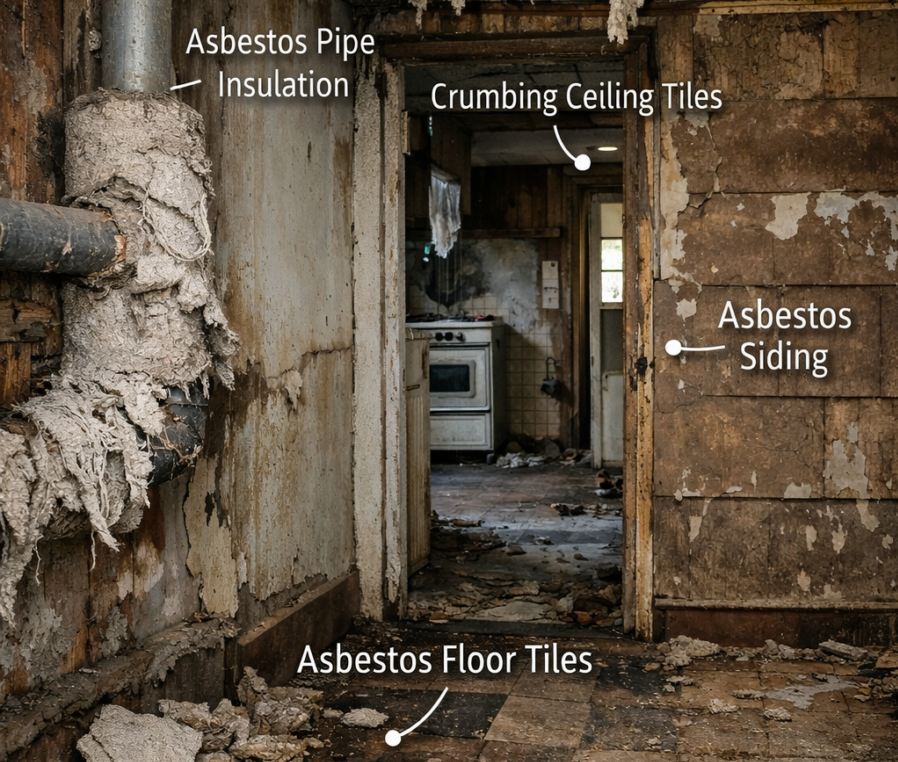
In older homes, asbestos may be present in:
Insulation (especially around pipes, boilers, and attics)
Floor tiles and vinyl flooring
Popcorn ceilings and textured paints
Roofing shingles and siding
Cement boards and some drywall compounds
When it’s dangerous
Asbestos is most hazardous when it’s disturbed or damaged, releasing tiny fibers into the air. Breathing these fibers over time can lead to diseases like asbestosis, lung cancer, and mesothelioma.
What you should do:
Don’t disturb it: Avoid cutting, sanding, or drilling suspect materials
Get it tested: Hire a licensed inspector to confirm if asbestos is present
Professional removal: If needed, use certified abatement contractors—DIY removal is unsafe and often illegal
Seal or encapsulate: In some cases, covering the material is safer than removing it
Signs your home may have asbestos
Built before ~1985
Original flooring, insulation, or ceilings still in place.
Crumbling or deteriorating materials in older areas.